
Where China leads and lags in humanoid joint architecture
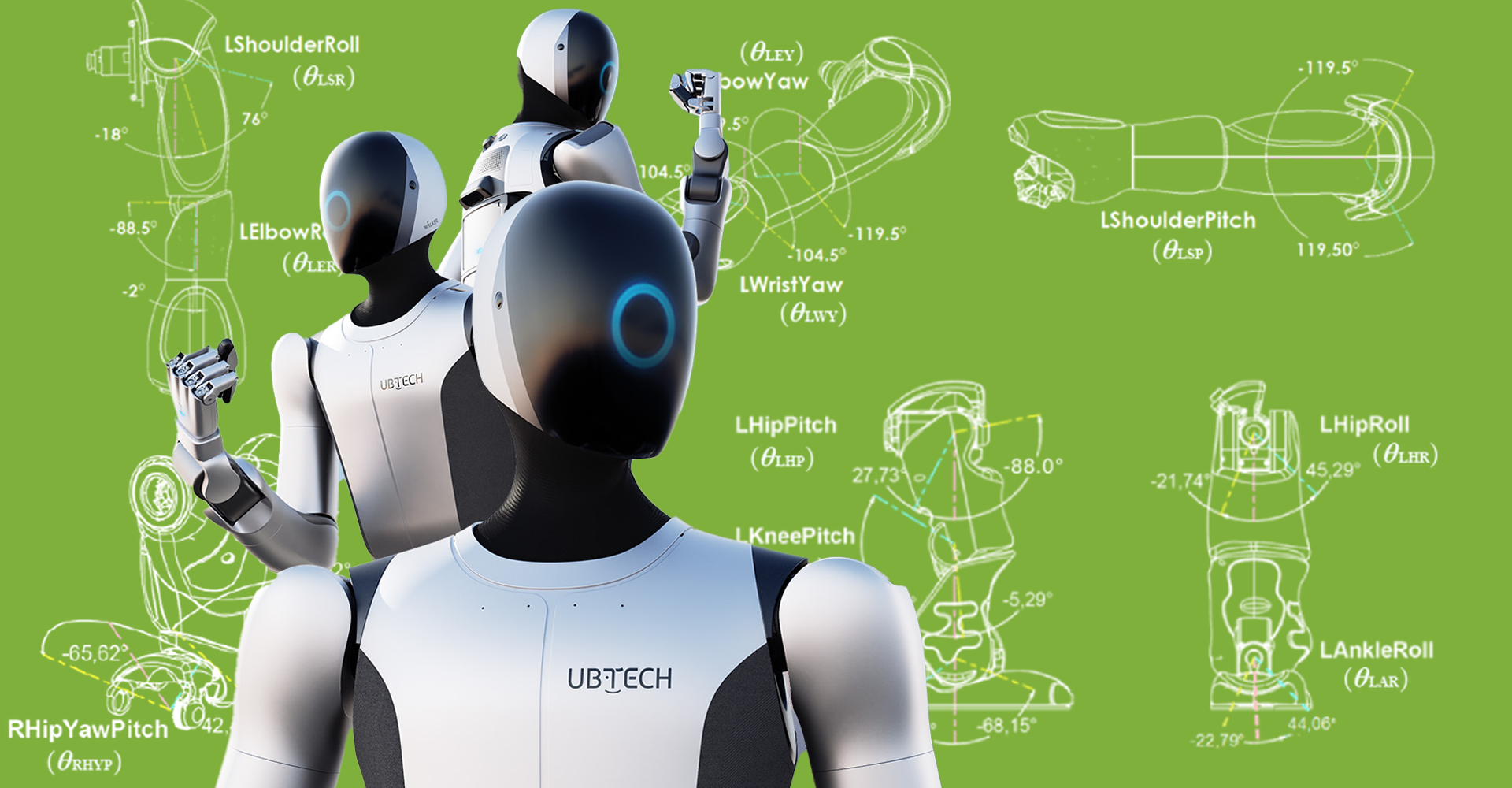
Source: interestingengineering
Author: @IntEngineering
Published: 11/17/2025
To read the full content, please visit the original article.
Read original articleThe article by Ni Tao in IE’s Inside China column examines the evolving landscape of humanoid robot joint architecture, highlighting China’s position in this critical aspect of robotics hardware. While much attention in humanoid robotics focuses on AI “brains,” the article emphasizes that the physical hardware—specifically actuators, screws, and gearboxes that translate AI commands into movement—remains a significant bottleneck. Chinese manufacturers have demonstrated impressive humanoids capable of complex motions at low cost, leading some to assume hardware is no longer a limiting factor. However, ongoing debates about the optimal actuator type—rotary versus linear—underscore that hardware choices are still pivotal to the industry’s future.
Currently, rotary actuators dominate humanoid robot joints, using mature gear reduction technologies such as harmonic drives and planetary gear reducers. These rotary systems multiply motor torque to enable movements like lifting and acrobatics, benefiting from a well-established industrial supply chain and cost efficiency. For example, Unitree’s G1 robot employs planetary and harmonic
Tags
roboticshumanoid-robotsactuatorsrotary-actuatorslinear-actuatorsgear-reducersrobotic-joints