
Why Molecular Solar Thermal Is Great Chemistry And Bad Energy Hype - CleanTechnica
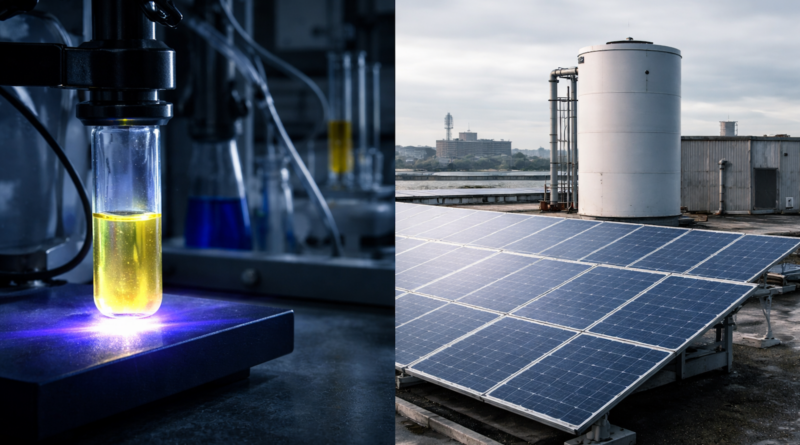
Source: cleantechnica
Author: @cleantechnica
Published: 3/30/2026
To read the full content, please visit the original article.
Read original articleThe article from CleanTechnica critically examines the recent hype surrounding Molecular Solar Thermal (MOST) energy storage, specifically a University of California Santa Barbara (UCSB) study that garnered media attention for its claims of "bottling sunlight" in a liquid form for long-term storage. While the underlying chemistry is genuine and the molecular design—where a molecule absorbs UV light, changes shape to a higher-energy metastable state, and later releases heat—is scientifically impressive, the article argues that the practical relevance of this technology for large-scale energy storage is minimal. The UCSB study demonstrated a respectable energy density (~0.458 kWh/kg), but this figure alone does not translate into a viable alternative to established energy storage methods like lithium-ion batteries, pumped hydro, or thermal tanks.
The article emphasizes a common problem in science communication: narrow, technical research findings are often exaggerated by press releases and media coverage, leading to misleading impressions about their practical impact. MOST is not an electricity storage technology or a battery
Tags
energymolecular-solar-thermalenergy-storagesolar-energyclean-technologymolecular-engineeringthermal-energy-storage