
Why submerged munitions still matter decades after war
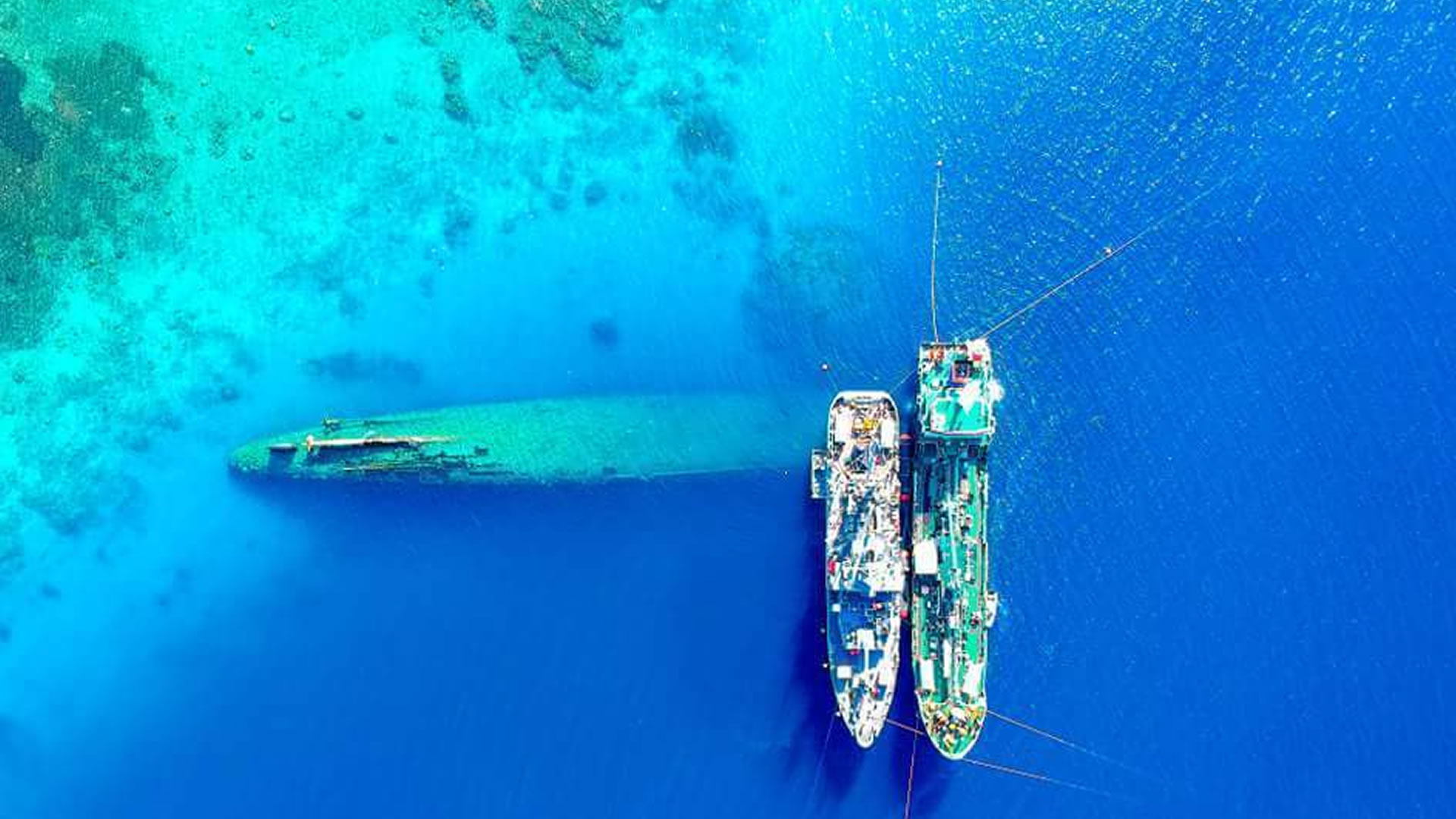
Source: interestingengineering
Author: @IntEngineering
Published: 3/25/2026
To read the full content, please visit the original article.
Read original articleThe article discusses the ongoing environmental and ecological risks posed by submerged munitions dumped at sea after World War I and World War II. Following these conflicts, vast quantities of surplus munitions were disposed of in oceans, initially considered a safe and permanent solution. However, as steel casings corrode over time due to factors like salinity and seabed conditions, these munitions increasingly leak toxic compounds such as TNT and RDX into marine ecosystems. Although these leaks currently pose minimal risk to seafood consumers, contamination levels could rise as corrosion progresses, raising concerns about long-term environmental impacts.
Beyond conventional explosives, chemical weapons dumped underwater present even greater challenges due to their persistent and toxic nature, particularly arsenic-based agents that do not easily degrade. While the risk of sudden explosions is low, the primary concern is the gradual, invisible contamination of marine life and food chains. This evolving understanding has led to international bans on sea dumping and efforts by some countries, such as Switzerland, to clean up munit
Tags
materialsenvironmental-risksubmerged-munitionscorrosionmarine-contaminationexplosivespollution