
Why the Giant Magellan Telescope chose the hardest possible way to see the Universe
To read the full content, please visit the original article.
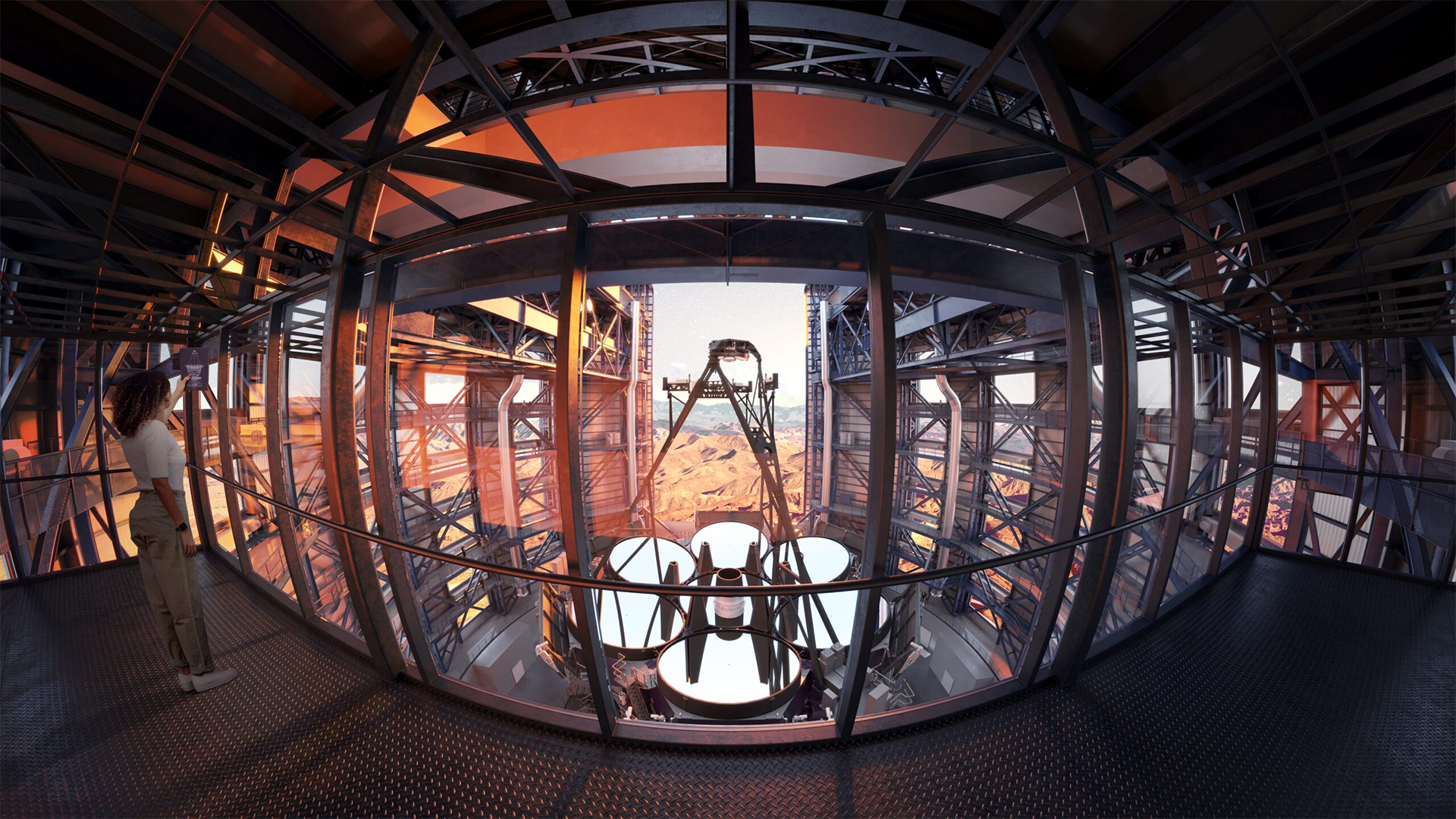
Read original articleThe Giant Magellan Telescope (GMT), currently under construction in Chile’s Atacama Desert, represents a new generation of extremely large telescopes designed to push the boundaries of astronomical observation. Unlike traditional approaches that focused on simply building bigger telescopes, modern advancements hinge on overcoming complex control challenges such as managing flexible mirror structures and correcting atmospheric distortions at nanometer precision. The GMT, expected to be operational by the early 2030s, is part of an international collaboration involving institutions from the US, Chile, Australia, Brazil, Israel, South Korea, and Taiwan. It aims to study a broad range of astrophysical phenomena, including habitable exoplanets and the cosmic origins of chemical elements.
The GMT features a unique segmented mirror design composed of seven massive mirrors, each 8.4 meters in diameter, combining to provide a total light-collecting area of 368 square meters. This design offers a resolving power approximately ten times greater than the Hubble Space Telescope and four times that of
Tags
materialsastronomytelescope-technologyoptical-materialsglass-materialslarge-mirrorsscientific-instruments